A fatty liver doesn't develop overnight, and neither does recovery. One of the most effective ways to improve liver health is by adopting healthier eating habits. Over time, the right food choices, combined with an active lifestyle, can help your liver function more efficiently and gradually improve its overall health.
The food you eat every day has a direct impact on your liver health. Choosing nutritious, well-balanced meals can support liver function. The goal isn't to follow a restrictive diet but to choose foods that nourish the liver and reduce unnecessary strain on it.
Foods That Support Liver Recovery
- 1
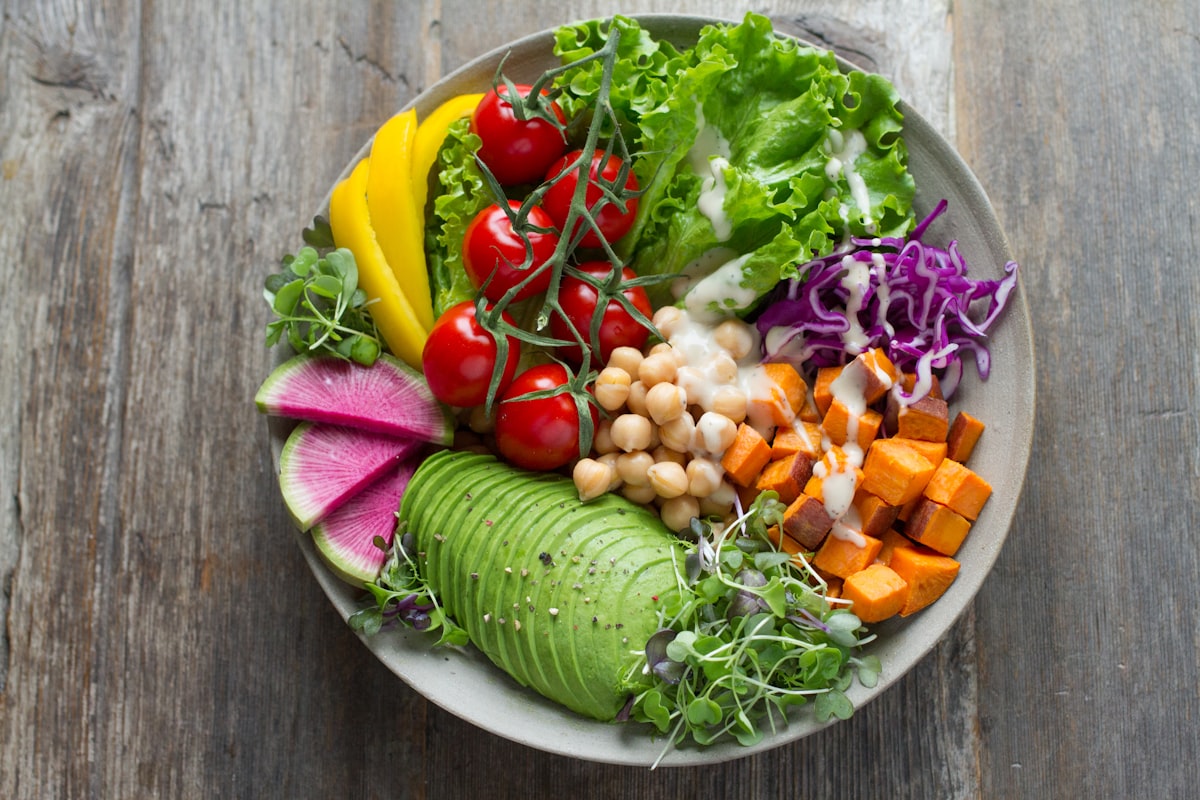
Fresh Fruits and Vegetables — Fruits and vegetables packed with antioxidants, vitamins, and fiber help reduce inflammation and support healthy liver function. Leafy greens, carrots, beetroot, tomatoes, berries, oranges, and apples are excellent additions to your daily meals. Include a variety of seasonal fruits and vegetables rather than depending on a single superfood.
- 2
Whole Grains Instead of Refined Carbohydrates — Choosing whole grains over highly refined foods provides your body with more fibre and nutrients, helping you feel fuller for longer while supporting better metabolic health. Foods such as oats, brown rice, whole wheat, and millets are excellent everyday choices.
- 3
Lean Sources of Protein — Protein plays an important role in repairing body tissues and maintaining muscle mass. Skinless chicken, fish, eggs, lentils, beans, and low-fat dairy products provide quality protein without adding excessive unhealthy fats. Plant-based protein sources can be particularly beneficial when included as part of a balanced diet.
- 4
Healthy Fats in Moderation — Not all fats are harmful. Foods rich in healthy fats, such as walnuts, almonds, flaxseeds, chia seeds, and avocados, provide essential nutrients that support overall health. Olive oil is another heart-friendly option that can replace saturated fats in everyday cooking. The key is moderation, as even healthy fats are calorie-dense.
- 5
Coffee and Green Tea — Moderate coffee intake may help protect the liver in some individuals by reducing inflammation and slowing the progression of liver damage. Green tea also contains natural compounds that support metabolic health. However, these beverages should complement a healthy lifestyle, not replace medical advice or treatment.
Foods to Limit
Along with adding nutritious foods, reducing certain items can make a significant difference. Try to limit:
- Sugary beverages and sweets
- Deep-fried and fast foods
- Processed and packaged snacks
- Excessive alcohol consumption
- Foods high in saturated and trans fats
Small, consistent changes are often easier to maintain than drastic dietary restrictions.
Recovery Goes Beyond Your Plate
A healthy diet works best when combined with regular physical activity, adequate sleep, proper hydration, and maintaining a healthy body weight. Routine medical follow-ups are equally important, as fatty liver disease often progresses without noticeable symptoms.
When Should You Consult a Doctor?
If you have persistent fatigue, discomfort in the upper right side of your abdomen, abnormal liver function test results, fatty liver on ultrasound, or risk factors such as obesity or diabetes, consult a gastroenterologist. Early evaluation helps determine the severity of fatty liver disease and allows timely guidance on treatment and lifestyle modifications.
A Healthy Liver Starts with Everyday Choices
Recovering from fatty liver disease is a gradual process, but every healthy meal is a step in the right direction. Choosing wholesome foods, staying active, and following your doctor's advice can help restore liver health and lower the risk of future complications.
Need expert medical advice?
Consult our specialists at NK Hospital, Kalaburagi.